Electrical Fire Action Plan: What Naperville Families Need to Know Before an Emergency
Increased utility charges can be caused by multiple elements including the energy consumption of your household appliances, poorly performing heating and cooling units, inadequate home insulation, copyright power drain by electronics, and varying climate conditions. Your energy supplier's pricing model also has a major impact. If you're operating power-hungry appliances, your costs will probably increase. Unusual spikes in charges may indicate aging or deficient household systems. By examining these factors closely, you'll find opportunities to decrease your expenses and optimize your home's energy performance.
Key Insights
Breaking Down Your Electric Bill: Understanding Rates and Usage
Ever wondered why your electricity costs are so high? Often, it's not merely about how much energy you're using, but also about your utility company's pricing system and rate adjustments. What's important to note, different providers have different ways of calculating charges. Some operate with a graduated pricing structure, where the rates climb higher as you use more energy. Alternative providers use time-of-use rates, charging more during peak hours. Seasonal variations affect pricing too. Consider this, rates are usually higher in summer due to higher usage. It's important to grasp these concepts because they affect your bill regardless of your energy consumption habits. So, don't just look at your usage - examine your bill's structure too.
Understanding How Household Appliances Affect Your Power Bill
It's possible your appliances are the main factor behind your expensive utility bills. Different appliances use varying amounts of power, which influences your overall power consumption. To manage your utility costs, it's important to monitor and decrease your appliances' energy usage.
Power Consumption of Household Appliances
Knowing about the power consumption by your home appliances can shed light on your rising power bill. Each appliance in your home, from the dishwasher to the refrigerator, consumes power in unique ways. Power-efficient units generally consume less electricity, saving money in the long term regardless of their greater purchase price. Furthermore, how long appliances last plays a crucial role in electricity use. As devices become dated, they tend to become less efficient, leading to increased energy consumption. To illustrate, an old inefficient refrigerator can consume as much as triple the energy of a modern, energy-efficient model. Therefore, learning about how much power your appliances use is crucial for controlling your electricity costs.
Reducing Appliance Energy Usage
Although it may seem daunting, reducing your appliance energy consumption is not just possible but also very rewarding for both your wallet and the environment. Smart appliances can make a significant impact, as they're designed with energy efficiency in mind. Some models even offer energy-saving modes that reduce power consumption. However, it's more than just selecting the right appliances, but how you use them. Limit use during peak consumption times to prevent increased costs. Think about scheduling an energy assessment. This detailed analysis of your home's energy use can detect energy inefficiencies and provide recommendations. Keep in mind that all improvements matter, and collectively they can create substantial savings on your electric bill.
Smart Lighting Solutions: Reducing Your Energy Costs
Ever wondered how switching to energy-efficient lighting can significantly reduce your electric bill? The secret lies in the perks of LED technology. Conventional incandescent bulbs require a lot of energy to produce light, mostly through heating a filament. LEDs, in contrast, use semiconductors to change electricity directly into light, making them more economical. A simple lighting upgrade to LEDs can lead to substantial savings on your electric bill. Additionally, LEDs endure longer than traditional bulbs, lowering replacement costs. They also operate at a cooler temperature, which can assist in keeping your home cooler, one more way to reduce energy costs. Therefore, by changing to energy-efficient lighting, you're building a more luminous, more cost-effective future.
The Impact of Air Conditioning and Heating on Energy Costs
You might not realize it that your HVAC system might be the primary reason behind your elevated utility costs. To properly comprehend this, you should understand how HVAC power usage functions and investigate ways to improve HVAC performance. Don't overlook the hidden costs related to HVAC systems, as they can significantly affect your energy expenses.
Making Sense of HVAC Energy Consumption
Have you ever wondered how much power your heating and cooling system consumes? It's a major contributor in your expensive utility bills. HVAC systems, which include heating, ventilation, and air conditioning, are typically the largest power consumers in your home. Periodic energy audits can reveal how significant this consumption can be. These audits evaluate how much energy your appliances use and detect efficiency problems. Your HVAC system may be working harder than necessary due to poor insulation, system leaks, or inefficient units, which leads to excessive power consumption. Recognizing these factors can help explain why your energy costs are elevated. Remember, awareness of your HVAC energy consumption is a crucial first step in managing your energy costs.
Maximizing HVAC Performance
Why do heating and cooling systems impact your energy bills so significantly? The reason is that these systems, when not operating efficiently, require more energy than necessary. To enhance efficiency, you should consider smart thermostat installation. Smart thermostats adapt to your lifestyle, automatically optimizing temperature settings when you're away or asleep.
Energy audits are a valuable tool. An auditor examines your home, pinpointing areas of energy waste and delivering optimization strategies. They typically propose addressing air infiltration or upgrading insulation, for instance. By optimizing your system's performance and investing in energy-saving improvements, you'll observe a considerable reduction in your energy costs. Keep in mind, it goes beyond lowering expenses; it's equally about developing a more sustainable, energy-wise home.
Uncovering HVAC System Expenses
Unseen expenses often exist in the operations of your HVAC system, having a considerable role in raising energy bills. Scheduled HVAC maintenance allows you to identify these concealed expenses. For instance, a improperly serviced system requires more effort, consuming more energy and elevating your bills.
Carrying out energy evaluations can uncover these covert costs. An energy audit evaluates how much energy your home consumes and pinpoints measures you can take to make your home more energy-efficient. It can reveal inadequacies in your HVAC system's performance, such as leaking ducts or inadequate insulation, which can be rectified to maintain peak performance. Understanding these hidden costs is key to managing your energy consumption and in the end, your electric bill.
copyright Power: The Hidden Energy Costs in Your Home
Although you might think that turning off your appliances completely stops their power consumption, this is unfortunately not the case. Your appliances, even when powered down, still consume what's called a 'copyright load'. This represents the power consumed by an appliance when it's idle, but connected to power. It's a concealed charge that can significantly increase your power costs.
The Relationship Between Insulation and Your Home's Energy Usage
You might not realize it that your home's insulation has a major impact on your electricity consumption. Initially, it's crucial to understand the basics of insulation and how it works in your home. After that, we can explore insulation's contribution to energy efficiency and look at methods for improving insulation to reduce your bills.
The Fundamentals of Insulation
Ever thought about what effect insulation has on your electricity bill? Insulation basics lie in its purpose: to reduce heat flow. The more effective the insulation, the less heat is lost or gained, and the lower the strain on your HVAC system.
There are several types of insulation, each with its own advantages. Popular insulation types consist of fiberglass, mineral wool, cellulose, and foam. Fiberglass stands out as light and straightforward to apply, while mineral wool excels in fire protection. Cellulose, manufactured from recycled paper, is environmentally friendly, and foam offers outstanding temperature control.
Understanding these basics can enable you to make well-informed decisions about insulation in your home, ultimately influencing your energy usage.
Understanding Insulation's Energy Efficiency Role
Most aren't aware that insulation has a critical role in reducing energy consumption. By maintaining thermal barriers, insulation materials help decrease the power usage your climate control systems require to ensure a suitable indoor temperature. As a result, the more effective your insulation, the less energy you'll consume, and the more reasonable your electric bill will be. Nevertheless, not all insulation is created equal. Multiple options have varying levels of effectiveness, measured by their R-value. Superior insulation products offer enhanced thermal resistance. This is where home energy assessments play a vital role. These inspections, conducted by professionals, examine your home's insulation and identify any inefficiencies. Having this information, you can make informed decisions that could greatly lower your electricity consumption.
Upgrading Insulation for Lower Bills
Upgrading your home's insulation is a reliable strategy to reduce electricity usage and consequently, your energy bill. By utilizing top-grade insulation products, you can create a barrier that reduces heat exchange, thereby reducing the amount of energy your HVAC systems need to maintain optimal temperatures. But don't make assumptions. Performing energy audits helps identify specifically where your home is losing energy. You may find that your walls, roof, or basement needs additional insulation. Note that the kind of insulation product you choose and the location where you place it is very important. Many homeowners choose fiberglass, cellulose, or spray foam. Thus, take time to understand the details, and you'll observe a substantial drop in your energy expenses.
The Relationship Between Your Gadgets and Rising Power Costs
Have you noticed your electronics increasing your rising electric bill? Your electronic gadgets, while convenient, are often power hungry. Even when in standby mode, they continue to draw power. It's known as "copyright power" and it's a silent contributor to your mounting electricity expenses. Your household gadgets, whether it's your latest television or your computer, are constantly pulling power.
Here's where energy monitoring comes in. Monitoring your devices' energy usage enables better power management. Energy tracking devices deliver instant information, highlighting your most expensive power users. Once you discover these high-consumption appliances, you can adjust usage habits or consider more energy-efficient alternatives. Remember, knowledge is power and in this case, it could lead to significant savings on your electric bill.
Water Heating: A Key Component of Your Electricity Usage
Have you ever considered the impact of your water heater on your utility bills? It's quite significant. Water heaters consume more power than other home appliances. Routine water heater upkeep is essential to maintaining energy efficiency. Sediment accumulation reduces your heater's performance, making it use more energy and use more electricity. Through regular heater maintenance, you can minimize this impact. Installing energy efficient models can help cut costs. These units require less electricity to heat the same amount of water, reducing your energy bills. Additionally, pay attention to the temperature setting. Lowering it by just a few degrees can make a noticeable difference. So, to reduce your electric bill, don't ignore your water heater.
How Weather Affects Your Electric Bill
While you don't typically associate weather to your electricity bill, it has a crucial role. Seasonal changes and weather variations can lead to substantial changes in your power usage. Throughout summer, the high temperatures often means your air conditioning system operating harder to preserve a comfortable indoor temperature, consuming more energy. In contrast, in winter, your heating system follows suit to fight cold temperatures. Furthermore, even slight weather changes, like overcast versus clear days, can influence your reliance on artificial lighting. As a result, grasping the link between weather and electricity use is essential. To control your bill efficiently, it's important to be aware of these impacts and modify your consumption as needed.
Expert Energy-Saving Tips From a Naperville Electrician
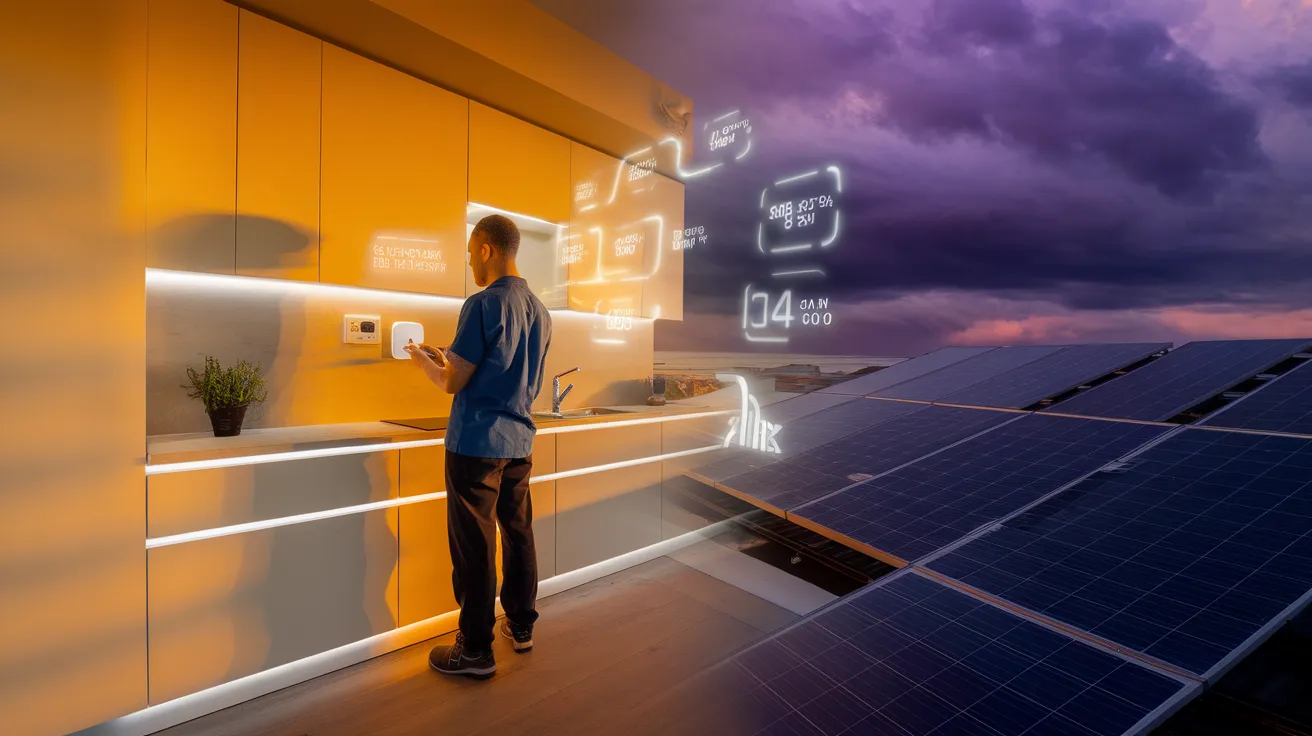
Having understood how weather affects your electrical usage, let's explore some practical power-saving strategies from a experienced Naperville electrician. To begin, look into setting up a smart home setup. Smart thermostats and lighting solutions can optimize energy use based on your patterns and preferences, substantially cutting down on wastage. In addition, contemplate adopting renewable energy alternatives. Solar panels, for instance, can generate electricity for your home and also feed excess power back to the grid. This doesn't just cuts your electric bill but also supports a more sustainable future. Note that each small step you take towards energy efficiency doesn't just reduces your monthly bill but additionally lessens the impact on our planet.
Popular Questions
What Factors Impact the Amount on Your Electric Bill?
Your electric bill's rates are largely based on your household's power consumption and rate adjustments from your power company. Increased power usage or shifts in the provider's pricing can result in larger monthly statements.
How Do Your Cooking Appliances Influence Your Electricity Costs?
How you use kitchen appliances has a considerable impact on your electric bill. If you're frequently using power-hungry kitchen equipment, they consume more electricity. By optimizing your appliance usage and switching to energy-saving appliances, you'll see a reduction in your power expenses.
Will a Space Heater Impact My Electricity Bill?
Without a doubt, operating a space heater can substantially boost your electricity costs. Remarkably, space heaters may require ten times the power of LED lights. Poor room insulation makes matters worse, letting warmth leak out and decreasing your heater's performance.
How Will Solar Panels Influence Your Monthly Electric Bill?
Solar panels can significantly reduce your monthly power expenses. They produce energy savings by transforming solar energy into power, minimizing your dependence on the electrical grid. This results in energy autonomy, and it can substantially lower your energy bills.
Do Government Programs Exist to Help With High Energy Bills?
Indeed, there are various programs! You can look into energy assistance programs like LIHEAP, as well as local government utility assistance programs. These programs aim to assist click here folks who're struggling with high electricity costs, like you currently are.
Final Thoughts
Ever wonder why your electric bill is so high? The biggest factors include your daily appliance usage, lighting choices, and climate control systems. Let's not overlook copyright power drain, electronic devices, and water heating costs, not to mention weather fluctuations. Understanding these elements is essential for reducing your energy expenses and improving your home's efficiency. As your trusted Naperville electrician, I'm here to help you tackle these electricity-draining problems. We can partner to transform those high bills into savings and establish a cost-effective and energy-smart house.